Explore the South Perry District Lifestyle in Spokane
June 25, 2026
June 25, 2026
Ever wish you could do more of your daily life without getting in the car every single time? If that idea appeals to you, Spokane’s South Perry District is one of the more practical places in the city to explore. Its compact main street, neighborhood businesses, market culture, and transit access make it possible to walk, bike, or ride for many everyday needs. Let’s dive in.
South Perry does not read like a typical auto-oriented commercial strip. It functions more like a compact neighborhood center with shops, restaurants, breweries, small businesses, and community organizations gathered in a relatively short stretch.
That pattern is not accidental. South Perry’s form grew out of Spokane’s streetcar era, and that history still shows up in the district’s human-scale layout today. The result is a neighborhood core that feels easier to navigate on foot than many areas built around wider roads and larger parking lots.
The City of Spokane’s Centers & Corridors study classifies South Perry as a small, lively neighborhood center surrounded by historic low-density residential neighborhoods. The same report notes a pre-war development pattern, with an average year built of 1942. If you are drawn to places with established character and a more connected street feel, that context matters.
It helps to set the right expectation. South Perry is better described as car-lite than fully car-free.
In real life, that means you may be able to handle many short trips without driving, especially if you live near the Perry Street core. You can walk for coffee, casual dining, neighborhood shopping, and seasonal market trips, then still keep a car for weather days, larger errands, or trips across Spokane.
That balance is a big part of South Perry’s appeal. You are not giving up mobility. You are simply gaining the option to drive less often.
For many buyers, the biggest question is simple: can you actually do errands on foot? In South Perry, the answer is often yes for day-to-day neighborhood needs.
The city study identifies S. Perry between E. 7th and E. 12th as pedestrian streets and says walking conditions are excellent. It also notes that traffic is moderate enough to support businesses without overwhelming the pedestrian environment.
That matters because walkability is not just about having sidewalks. It is also about having places worth walking to within a practical distance. In South Perry, the retail mix includes small shops, eating and drinking businesses, and a floral greenhouse and garden store, which supports short, useful neighborhood trips.
If you are considering a home nearby, your experience will depend a lot on how close you are to the main corridor. The closer you are to the Perry Street core, the easier it is to make walking part of your normal routine.
One of South Perry’s most useful neighborhood features is the Thursday Market. It runs from May through October, every Thursday from 3 to 7 p.m. at 1000 S. Perry, with locally grown food and locally crafted products.
For a car-lite household, that is more than a fun weekly event. It can serve as a real food-shopping option right in the neighborhood, especially during the warmer months.
The market also accepts EBT/SNAP, and participating vendors accept WIC and Senior Farmers’ Market Nutrition Program vouchers. That helps make the market a meaningful local resource for a wide range of residents.
Transit is another reason South Perry works for people who want to drive less. Spokane Transit’s Route 45 serves the area, including a stop at Perry and 9th Avenue.
In 2025 service revisions, Route 45 was upgraded to 30-minute service on weeknights and Saturdays. For regular riders, that kind of frequency can make a real difference in whether transit feels useful for errands, work trips, or social plans.
The larger advantage is how South Perry connects into Spokane’s broader network. STA’s City Line includes a stop at Mission and Perry and links Browne’s Addition, downtown, the University District, Gonzaga University, and Spokane Community College.
That means you are not relying on one neighborhood route alone. You have a path into downtown and other central destinations without needing to drive every trip.
If you like the idea of biking for short commutes or errands, South Perry has some practical strengths. One of the most important is the Ben Burr Trail connection, which runs along the west side of the Perry Street underpass of I-90 and continues north toward the Centennial Trail and University District campuses.
The city describes that trail connection as paved and intended to be accessible. That gives the neighborhood a useful off-street north-south route, which is a meaningful advantage for people who prefer to avoid busier roads when possible.
There are also nearby street improvements that support bike use. The City of Spokane reported that Indiana Avenue from Dakota to Perry was converted to one lane in each direction with bike lanes, and the city is advancing non-motorized safety work on Perry Street, including sidewalk infill between 14th and 18th Avenues.
Still, it is smart to keep expectations grounded. South Perry is bike-friendly by Spokane neighborhood standards, but it is not uniformly bike-first on every street. If you want to bike often, the neighborhood offers workable connections, but your comfort level may vary by route and season.
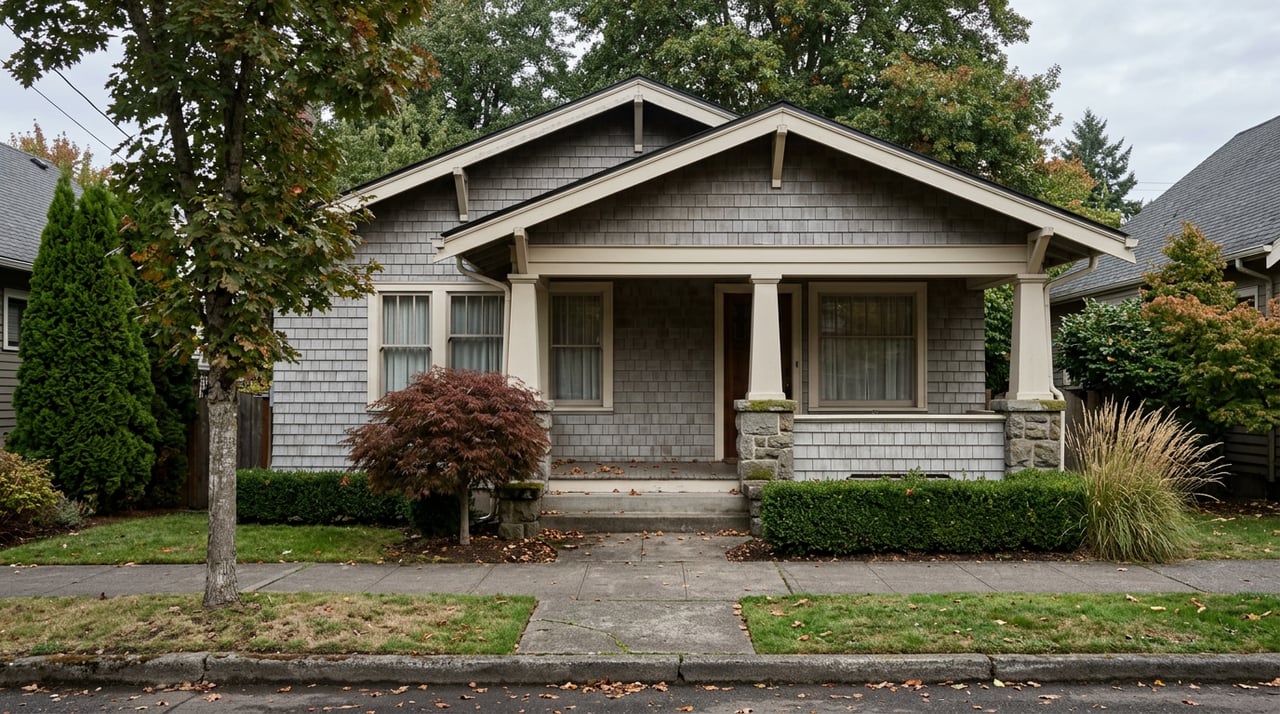
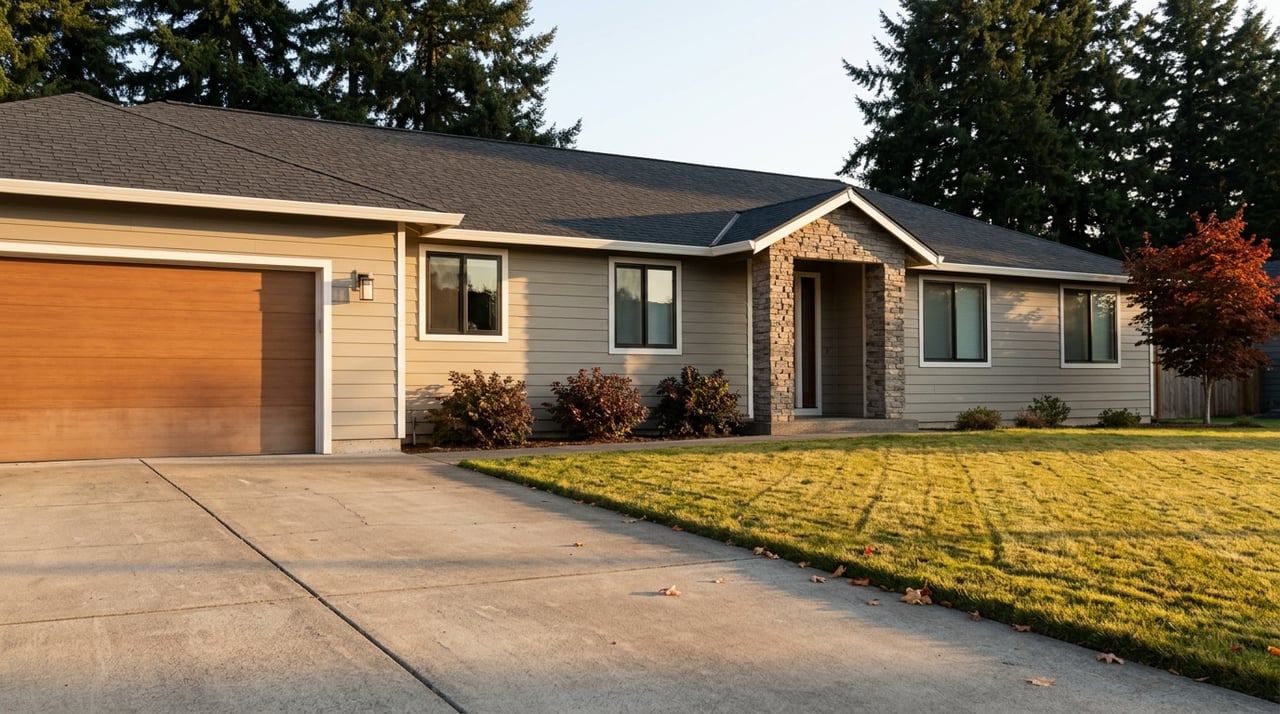
South Perry’s residential pattern is mostly single-family detached housing, with some older and newer middle housing mixed in. That gives buyers a range of ways to plug into the neighborhood, depending on budget, housing style, and how close they want to be to the commercial core.
If your goal is a lifestyle where you can walk out for coffee, pick up a few essentials nearby, enjoy the Thursday Market, and connect to other parts of Spokane without driving every time, South Perry is worth a closer look. It offers a version of convenience that feels neighborhood-scaled rather than heavily commercial.
This can be especially appealing if you want character and function in the same place. South Perry combines historic housing stock, a compact business district, and practical transportation options in a way that stands out in Spokane.
South Perry can be a strong match if you value convenience that feels local and manageable. It tends to appeal to buyers who want more everyday flexibility, whether that means walking to dinner, biking to a nearby destination, or using transit for some trips.
It may also suit people who care about neighborhood identity. South Perry’s mix of historic form, local businesses, and recurring community events creates a distinct rhythm that is different from more auto-oriented parts of the city.
At the same time, car-lite living works best when your expectations are practical. If you want to eliminate driving altogether, South Perry may not check every box. If you want to reduce your dependence on the car while keeping options open, it becomes much more compelling.
If you are weighing South Perry against other Spokane neighborhoods, it helps to look beyond square footage alone. The right fit often comes down to how you want your daily routine to feel and how often you want your home’s location to do some of the work for you.
When you are ready to compare homes, block-by-block walkability, and lifestyle fit in South Perry or nearby Spokane neighborhoods, Patricia O'Callaghan/SpokaneREAL can help you assess the options with clear local insight and personalized guidance.
We pride ourselves in providing personalized solutions that bring our clients closer to their dream properties and enhance their long-term wealth.