Buying a Home in South Perry Spokane: Key Insights
May 21, 2026
May 21, 2026
Wondering if South Perry is the right fit before you write an offer? That is a smart question, because this part of Spokane has a very specific feel that can be a great match for some buyers and a frustrating mismatch for others. If you are drawn to older homes, a walkable business district, and quick access to downtown, here is what you should know before buying in South Perry. Let’s dive in.
South Perry sits just southeast of downtown Spokane and centers around a compact, neighborhood-serving business district. Spokane’s planning framework treats it as a Neighborhood Center, which means the area is intended to support walkability, mixed-use activity, and transit rather than a car-first layout.
That planning approach helps explain why South Perry feels different from more suburban parts of Spokane. You will notice a tighter street pattern, a more connected neighborhood core, and a stronger sense of day-to-day activity near Perry Street.
The broader East Central neighborhood profile also points to South Perry as an area shaped by neighborhood businesses and older housing stock. For many buyers, that combination is the main appeal: you get character, local identity, and a location that feels established rather than newly built.
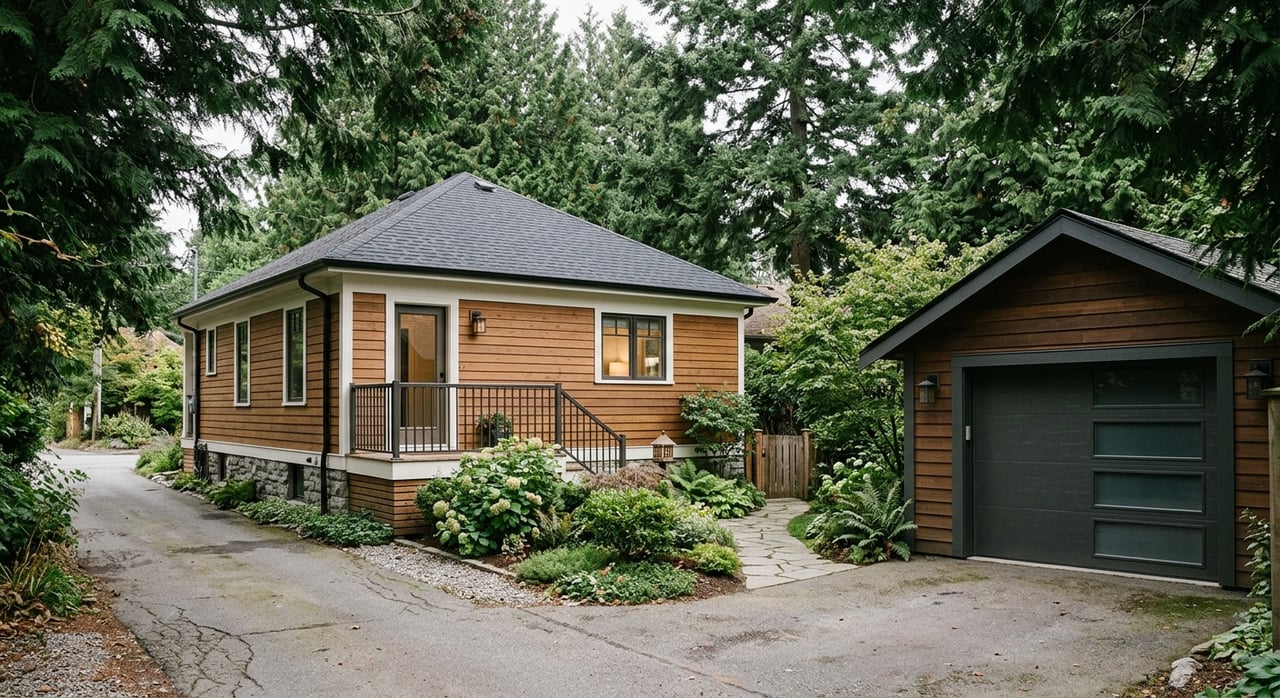
If you are shopping in South Perry, you should expect older housing. The broader East Central area developed from the late 1800s through the early 1950s, and the South Perry center is described in city planning work as a pre-war area with an average year built of 1942.
Most of the residential mix is single-family detached housing, with some older and newer middle housing mixed in. Many homes south of Sprague were built on 50-foot-wide lots, and the neighborhood profile highlights the area’s older housing stock as a defining feature.
In style, many buyers are drawn to Craftsman character and bungalow-era forms in and around South Perry. That does not mean every block has the same architecture, but it does mean you are more likely to find homes with original details, varied facades, and a less uniform streetscape than you would in newer subdivisions.
South Perry tends to reward buyers who care more about charm and location than brand-new finishes and uniform home layouts. That can be a great trade if you value a home with personality and a neighborhood with history.
Still, older housing usually means more maintenance and more careful due diligence. Some homes may need updates, repairs, or system improvements simply because the housing stock is older than in many outer Spokane neighborhoods.
Before you buy, it helps to look past cosmetic updates and think about the home’s overall condition. A beautiful front porch or original trim can add a lot of appeal, but you also want a clear picture of what may need attention after closing.
One of the most important things to understand about South Perry is the lot pattern. Historic platting in the area included lots that were often about 50 feet wide and roughly 135 to 140 feet deep, which contributes to the neighborhood’s compact feel.
For you as a buyer, that can mean narrower lot widths, modest setbacks, and less of the spread-out spacing that many suburban buyers expect. In practical terms, your yard, driveway setup, and side clearance may look very different from what you would find in newer parts of Spokane.
That is not a downside by itself. It is simply part of the neighborhood’s urban form, and it plays a big role in why South Perry feels walkable and connected.
Parking is one of the biggest practical issues to evaluate before buying in South Perry, especially if you are looking close to the commercial core. City parking work in the district shows a mix of public off-street parking, private off-street parking, and on-street parking.
The city has also documented concerns over blocked driveways and limited curb parking as the business district has grown more popular. Because of the historic lot pattern and neighborhood design, you should not assume every home has simple front-facing parking or abundant curb space right outside the house.
Some properties may rely on side drives, rear parking access, or shared street parking. If parking matters to your household, it is worth looking closely at the property layout, alley access if present, and what curb conditions feel like at different times of day.
For many buyers, the lifestyle upside of South Perry is the reason to buy there in the first place. The area functions as a walkable neighborhood center, and city study materials rate walking conditions as excellent.
That walkable setup is supported by the district’s layout and land-use goals. Parking lots are generally intended to sit beside or behind buildings rather than dominate the street frontage, which helps preserve a more pedestrian-oriented feel in the business core.
If you want a neighborhood where daily errands or casual outings can feel more connected to the street, South Perry stands out. It offers a different experience from low-density areas built around larger roads, larger setbacks, and more driving for short trips.
South Perry’s location just southeast of downtown is another strong point. For many buyers, that means an easier trip to downtown Spokane and the University District than from outer neighborhoods.
Transit access also supports the area’s convenience. Spokane Transit’s Route 45 serves the Perry District, which adds another option for getting around without relying entirely on a car.
That said, a more active, connected location often comes with trade-offs. You may see more local foot traffic, a little more street activity, and tighter parking during busy periods than you would in a quieter, lower-density setting.
South Perry is known for neighborhood activity, including its street fair and Thursday farmers market. Those events are part of the district’s identity and can be a real draw if you enjoy a lively local atmosphere.
For buyers, though, it is helpful to think through how that energy fits your day-to-day routine. On event days or popular weekends, curb parking may be tighter and the area may feel busier than normal.
That does not make the neighborhood less desirable. It just means you should make sure the level of activity matches the lifestyle you want when you come home.
If you are considering a home that needs work, South Perry is a neighborhood where renovation questions deserve extra attention. In older homes, the first issue is often not design but health, safety, and code compliance.
For homes built before 1978, lead-based paint may be present, and renovation work can create hazardous lead dust. Older materials may also involve asbestos concerns if they are disturbed during remodeling or demolition.
On the city side, Spokane requires permits for many alterations and repairs, including structural, electrical, mechanical, plumbing, and side sewer work. The city inspects permitted work for code compliance, so it is important to understand what was done, what was permitted, and what future work may require approval.
Some buyers love the idea of preserving original details, and South Perry’s older housing stock can make that especially appealing. But if a property is individually listed or located within a historic district, Spokane requires a certificate of appropriateness before certain permits are issued.
That does not mean improvements are impossible. It does mean you should understand the property’s status early if you are planning exterior changes or more significant renovation work.
A clear review of permits, property records, and planned improvements can save you time and stress later. In a neighborhood with older homes, that kind of preparation matters.
South Perry tends to be a strong fit if you value location, character, and a neighborhood with a clear local identity. It can be especially appealing if you want quicker access to downtown, enjoy a walkable district, and appreciate homes that feel distinct rather than standardized.
It may be less ideal if your top priorities are a large suburban lot, easy front-drive parking, or a home with minimal near-term maintenance. The neighborhood’s strengths are real, but so are the trade-offs.
The key is knowing what you are buying into. When your expectations match the area’s layout, housing stock, and lifestyle, South Perry can offer long-term value through its historic character, established neighborhood center, and close-in Spokane location.
If you are weighing South Perry against other Spokane neighborhoods, it helps to compare more than price alone. The right decision usually comes down to how you want to live day to day, how much home upkeep you are comfortable taking on, and which location factors matter most to you.
If you want experienced guidance on buying in South Perry or comparing it to other close-in Spokane neighborhoods, Patricia O'Callaghan/SpokaneREAL offers high-touch buyer representation grounded in local market knowledge and thoughtful, property-level advice.
We pride ourselves in providing personalized solutions that bring our clients closer to their dream properties and enhance their long-term wealth.