Selling a Historic South Perry Home for Today’s Buyers
July 2, 2026
July 2, 2026
If you own a historic South Perry home, you may be asking a smart question: how do you make it feel current to today’s buyers without stripping away the details that make it special? That balance matters in a neighborhood where older homes are part of the appeal, and buyers often notice craftsmanship, condition, and comfort just as much as square footage. With the right preparation, you can protect the character buyers love while removing the issues that tend to slow offers. Let’s dive in.
South Perry stands out in Spokane for its historic homes and established neighborhood fabric. The City of Spokane describes the area as a lively neighborhood center surrounded by well-maintained historic residential neighborhoods, with a housing mix led by single-family homes.
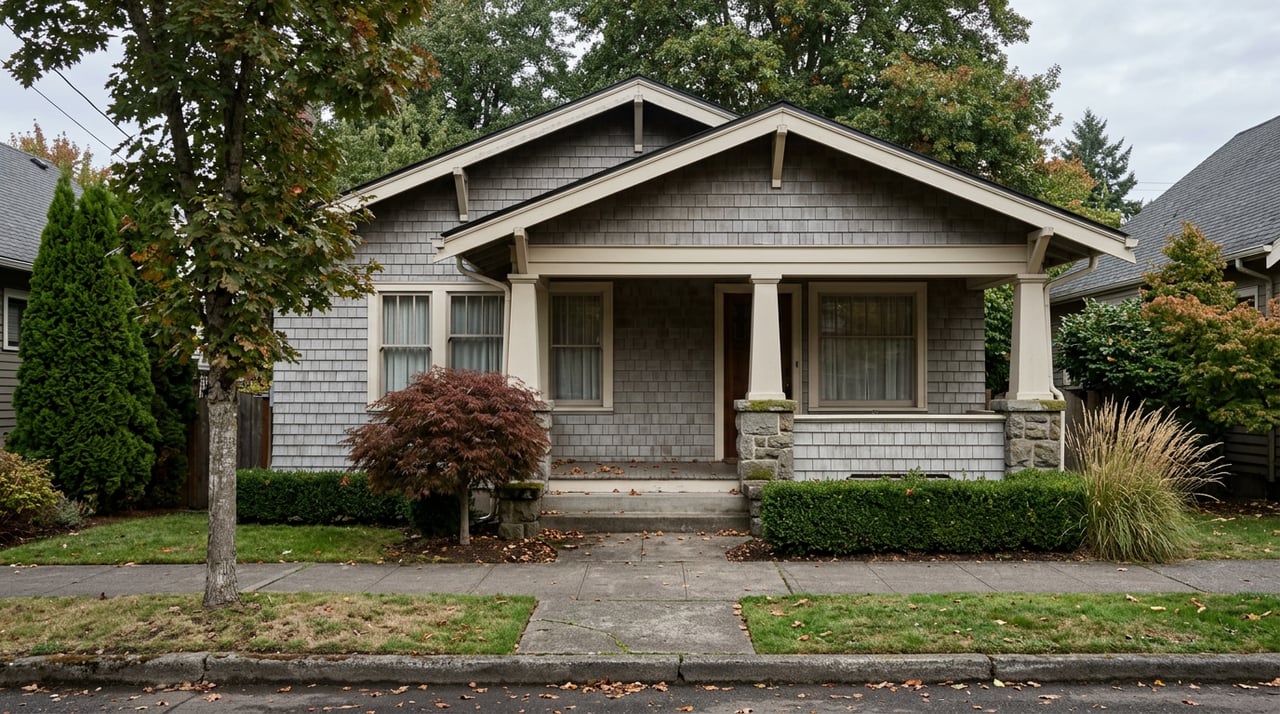
That context shapes how buyers see your property. In South Perry, a historic Craftsman or other period home is rarely judged on size alone. Buyers are also paying close attention to whether the home feels authentic, cared for, and in step with the neighborhood’s established character.
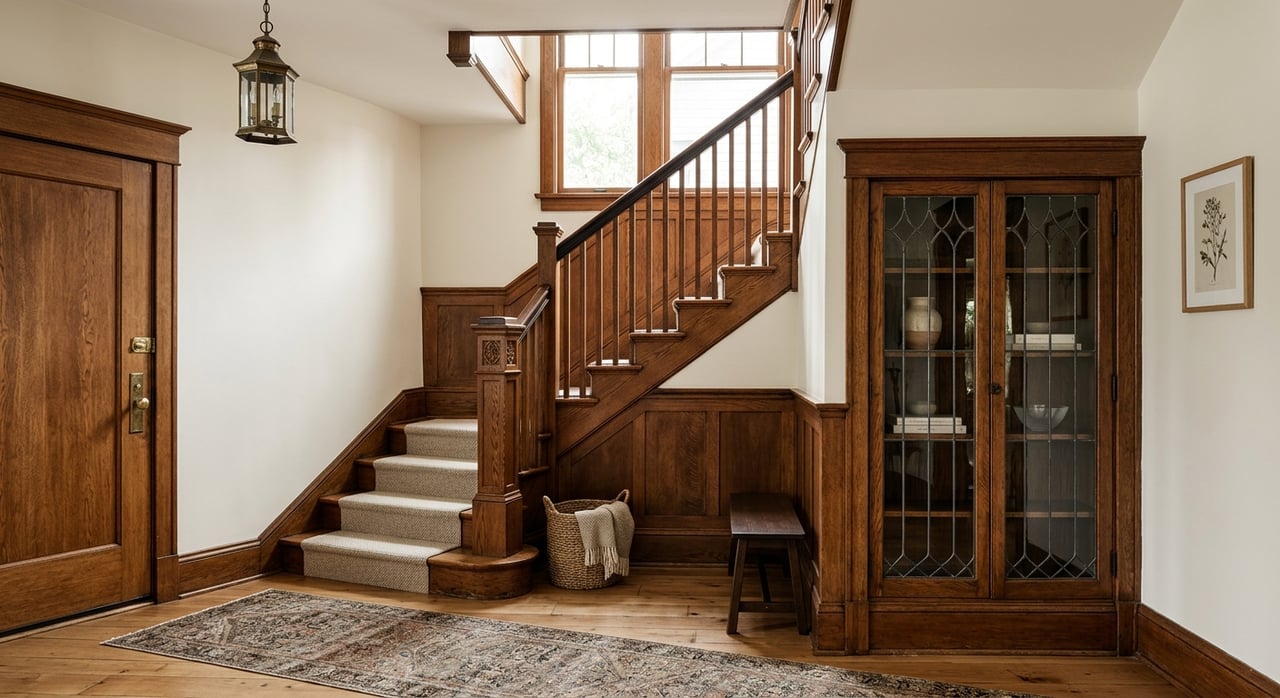
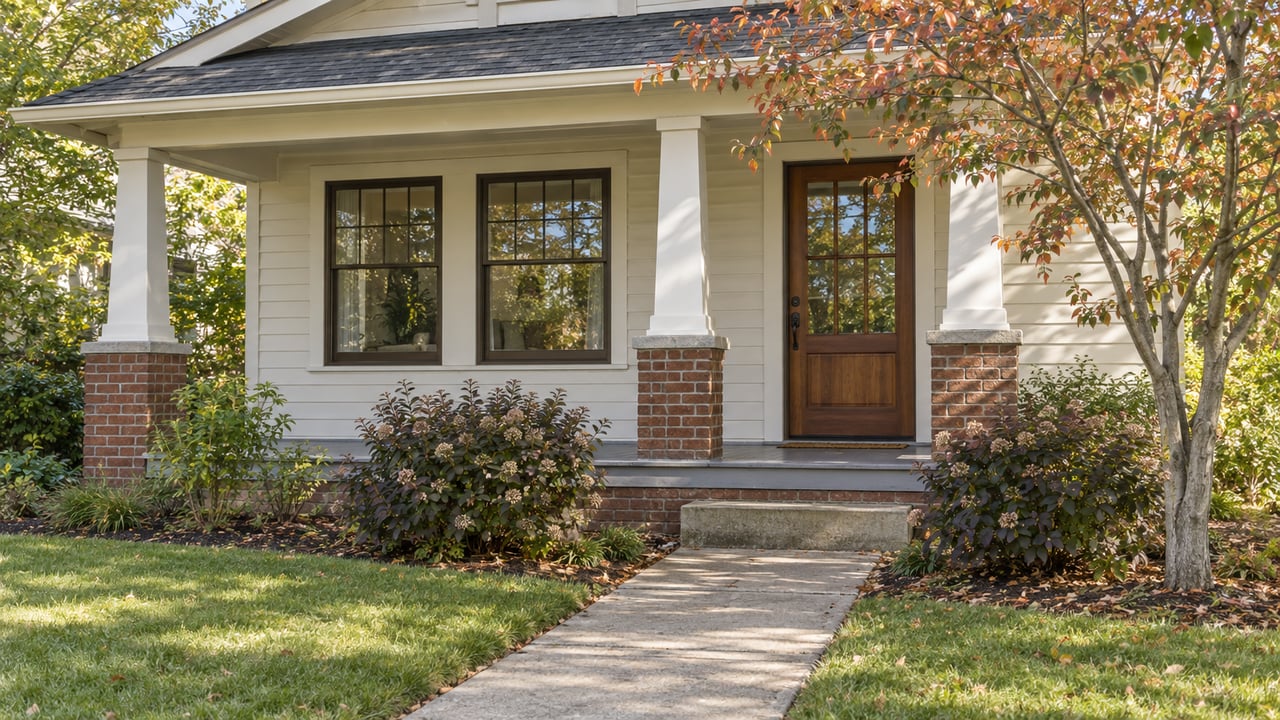
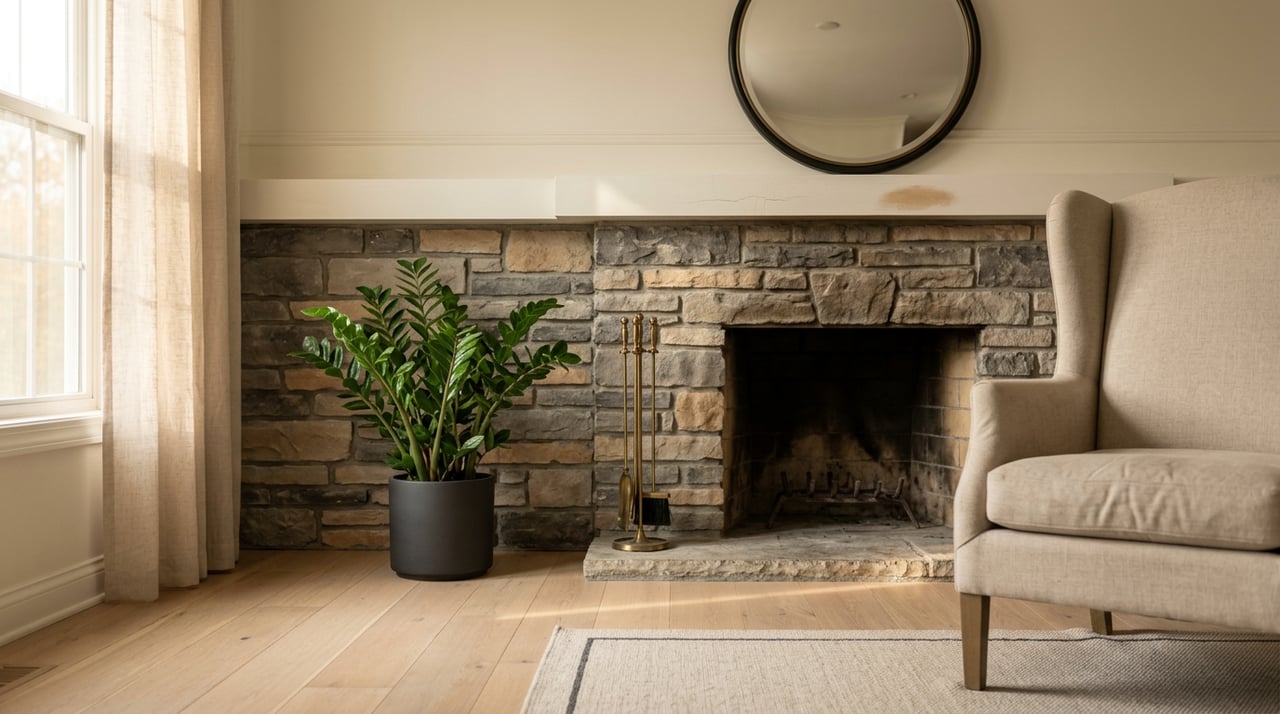
In older homes, buyers often respond strongly to visible, character-defining features. Guidance from the National Park Service points to details like rooflines, porches, windows, exterior materials, craftsmanship, floors, trim, fireplaces, paneling, and built-ins as the elements that express a home’s historic character.
That means your prep work should not start with the idea of making the home look brand new. It should start with making the original features easy to see, easy to appreciate, and easy to trust.
For most South Perry sellers, the best first move is targeted preparation rather than a full remodel. According to the National Association of Realtors 2025 staging report, 83% of buyers’ agents said staging made it easier for buyers to picture the property as their future home.
That same report found that 73% said listing photos were highly important. It also found that 29% of sellers’ agents saw staged homes receive a 1% to 10% increase in offered value, while 49% saw faster sales.
In practical terms, this means small presentation upgrades can have a bigger payoff than costly projects that do not fit the home. If your budget is limited, your priority should be helping buyers feel the home is bright, functional, and well maintained.
Older homes can create strong emotional appeal, but they can also trigger hesitation if the basics are not handled well. Common buyer turnoffs include odors, dim rooms, and spaces that feel awkward or hard to understand.
Before listing, focus on the issues that buyers notice right away:
These steps sound simple, but they can change how buyers experience the home. In a historic property, clean sightlines and better light help original woodwork, built-ins, and other period details stand out.
A pre-list home inspection can be a useful planning tool before your home hits the market. Washington’s Department of Licensing states that the state’s home inspector law does not prohibit pre-listing inspections, and it defines a home inspection as a noninvasive examination of a home’s condition often done in connection with a sale.
For a seller, the value is not creating a giant renovation list. It is finding the smaller condition issues you can address early, before they become surprises during a buyer’s inspection.
That might include loose handrails, minor leaks, deferred maintenance, or other repair items that quietly affect buyer confidence. In a historic home, confidence matters because buyers are often already weighing the romance of the property against concerns about upkeep.
When preparing a historic South Perry home, not every old feature should be replaced. In many cases, the details that make the home memorable are the same ones that support stronger marketing.
Look closely at the features that give the home its identity:
If these elements are present, make them part of the strategy. Clean them, repair them where appropriate, and let them lead the visual story in photos and showings.
If your property is individually listed on the Spokane Register or located within a designated historic district, exterior work may require more review than you expect. Spokane code states that a Certificate of Appropriateness can be required for work that affects exterior appearance or street-facing facades.
At the same time, ordinary repair and maintenance that do not affect significant historic features are exempt. The key point is simple: before replacing visible historic elements, confirm whether local preservation review rules apply.
This matters most when sellers are considering changes like new windows, altered siding, porch modifications, or other updates that could affect the home’s appearance from the street. A rushed decision here can create unnecessary complications.
Today’s buyers want charm, but they also want a home that feels comfortable and manageable. In older Spokane homes, some of the most effective updates are the ones buyers barely see but immediately feel.
According to ENERGY STAR, sealing air leaks and adding insulation are among the most cost-effective home upgrades. The program estimates average savings of 15% on heating and cooling costs, or 11% on total energy costs, and notes that homeowners can save up to 10% annually on energy bills.
That is a strong message for a South Perry seller. If your home feels less drafty, holds temperature better, and presents as more efficient, buyers may be less likely to worry about winter utility costs.
For many older homes, the most useful efficiency improvements include:
ENERGY STAR also notes that leaky ducts can reduce efficiency by as much as 20%. Properly sealed and insulated ducts can improve comfort and efficiency while also helping indoor air quality.
These are strong pre-sale improvements because they support the way buyers experience the home. Rooms feel more even in temperature, heating systems appear to work more effectively, and the house feels more cared for overall.
If you are thinking about insulation work before listing, it is worth checking current utility incentives before scheduling the job. Avista says residential customers in Washington may qualify for its Home Insulation Program, which includes a visual insulation inspection of the attic and crawlspace and may include installation with the rebate discounted upfront.
Avista also notes that rebate programs can change and may have documentation and timing requirements. So if rebates are part of your decision, verify the current program details before starting work.
When your home goes to market, buyers will want a clear story. They are not just asking whether the house is charming. They are also asking how well it functions today.
That is why strong marketing for a historic South Perry listing should highlight both sides of the value:
This kind of clarity reduces uncertainty. It helps buyers appreciate the home’s craftsmanship while also understanding how it has been maintained over time.
Not every room carries the same weight in the marketing plan. The National Association of Realtors staging report found that the living room, primary bedroom, and kitchen are among the rooms buyers care about most.
For a historic South Perry home, these spaces should be styled and photographed with special care. The goal is to show warmth, scale, light, and livability while keeping the home’s original details visible.
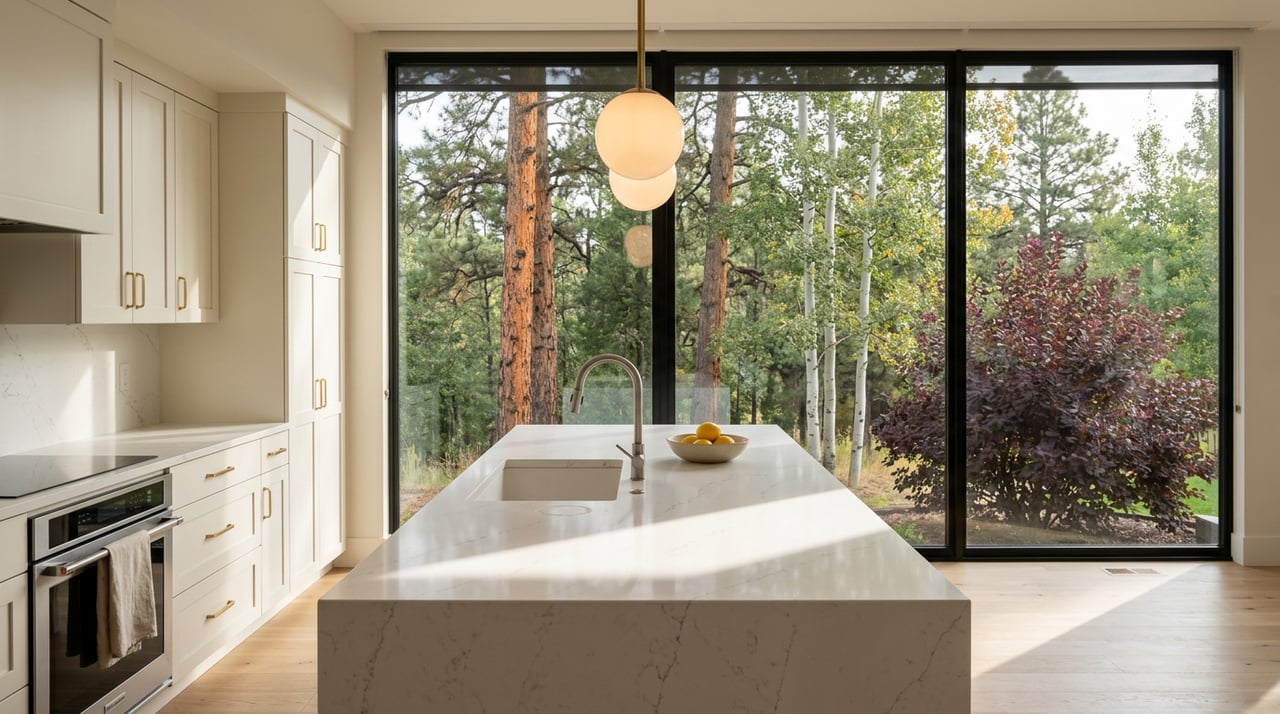
In the living room, that may mean opening up views to built-ins or a fireplace. In the kitchen, it may mean reducing visual clutter so buyers can better process the layout. In the primary bedroom, it may mean simplifying the space so the room feels restful and easy to use.
Historic homes usually benefit from thoughtful, high-quality presentation. Buyers’ agents continue to place high value on listing photos, physical staging, video, and virtual tours, which means the media plan matters almost as much as the prep itself.
A strong campaign should help buyers notice the features that make your home different. Instead of vague phrases about vintage charm, the marketing should specifically call out the craftsmanship and architectural details that define the property.
That could include original floors, built-ins, trim, porches, windows, fireplaces, or natural materials. Specificity builds trust and helps your home stand out from more generic listings.
If you want a practical plan, start here:
This approach supports what today’s buyers are looking for. They want personality, but they also want proof that the home has been cared for.
The strongest strategy for a historic South Perry home is usually not a full reset. It is a thoughtful edit.
Preserve the details that create emotional connection. Remove the easy objections that distract buyers. Improve comfort where you can. Then present the home with the kind of marketing that helps buyers understand both its history and its value today.
If you are thinking about selling a South Perry home and want a strategy tailored to its character, condition, and likely buyer pool, Patricia O'Callaghan/SpokaneREAL can help you prepare, position, and market it with care.
We pride ourselves in providing personalized solutions that bring our clients closer to their dream properties and enhance their long-term wealth.