Everyday Downtown Spokane Condo Lifestyle Guide
February 5, 2026
February 5, 2026
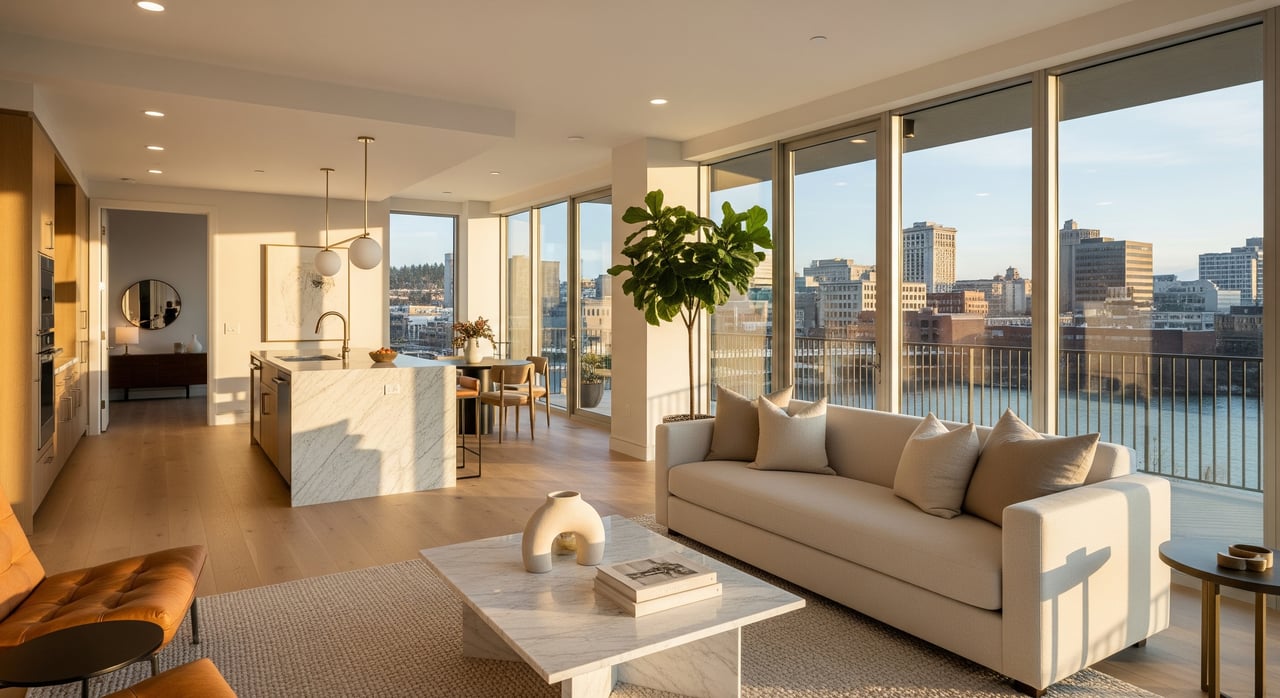
Picture your morning starting with a short walk to coffee, the river mist rising over Spokane Falls, and your commute taking minutes by foot. If you value convenience, design, and low-maintenance living, a downtown Spokane condo can fit your day-to-day life in a very practical way. In this guide, you’ll learn what daily living actually looks like downtown, from walkability and transit to condo amenities, HOA details, and buying tips. Let’s dive in.
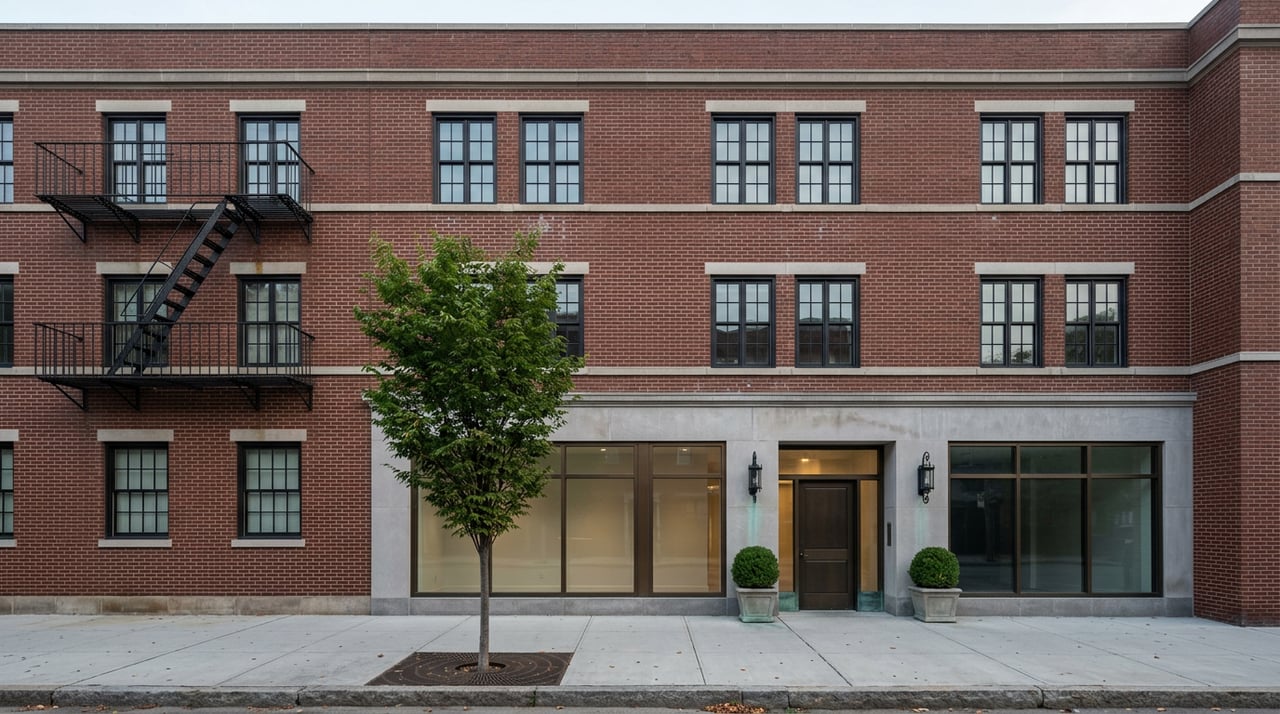
Downtown Spokane centers on the Spokane River and the business and cultural core that surrounds it. You’ll find a mix of historic brick buildings, warehouse loft conversions, and newer mid-rise residences. The streetscape feels more urban than much of the region, with cultural venues, offices, and parks close together.
If you enjoy doing more on foot, downtown delivers. Coffee, restaurants, River Park Square shopping, banks, and service businesses are typically within a 5 to 20 minute walk depending on the block. Riverfront Park anchors the neighborhood, so green space is part of everyday life.
You can keep a flexible routine with plenty of casual spots for coffee and lunch, plus restaurants and bars for dinner. Independent retailers and services are spread through the core, which helps you tackle errands without a long drive. You’ll likely build a weekly rhythm around your favorite blocks.
Grocery access varies by building. Some addresses are close to smaller markets and specialty shops, while others rely on delivery or quick drives to full-service stores just outside the core. When you tour units, map out your grocery plan and confirm what’s within a comfortable walk.
Theaters, galleries, and concert venues sit in or near the core, so it’s easy to catch a show on a weeknight. Event days bring more foot traffic and energy. If quiet evenings matter to you, focus on building orientation and window quality to help manage noise.
Riverfront Park acts like your backyard. The Centennial Trail offers bike and walking routes along the river, creating a built-in routine for exercise and fresh air. Smaller pocket parks in nearby historic areas add more outdoor options.
Spokane Transit Authority routes converge downtown, which makes bus commutes practical if you prefer not to drive. Bike infrastructure exists in the core, though coverage varies by block. Many residents keep a bike for short trips and errands.
Driving remains common for regional trips and commuting to suburban job centers. Parking solutions vary by building: assigned underground spaces, surface lots, or nearby garages. On-street and paid public options can fill gaps. Ask about deeded stalls and guest parking when you tour.
Converted warehouses and early commercial buildings offer exposed brick, tall ceilings, large windows, and unique floor plans. Layouts can be flexible and character-forward. Elevators may be smaller or limited, so consider move-in logistics and long-term accessibility.
Contemporary buildings tend to have standardized layouts, modern systems, and amenities like elevators, secure entries, and structured parking. Many include shared lounges, fitness rooms, roof decks, and bike storage. Larger developments may have on-site management or concierge services.
Studios and micro-units suit single professionals who want an efficient footprint. One-bedroom homes are common for singles and couples. Two-bed, two-bath units work well if you want a guest room or office. Square footage varies widely, especially in historic conversions, so confirm sizes on current listings.
Common amenities include secure entry, elevators, fitness rooms, roof decks or terraces, and bike storage. Some buildings offer private storage units or workshops. Rooftop spaces and private balconies are strong lifestyle perks in newer buildings.
Pet rules are set by each HOA. Many downtown condos allow pets with size limits or fees, while some historic buildings are more restrictive. Storage units and bike rooms are common but not guaranteed, so verify availability and any associated fees.
HOA fees typically cover common area upkeep, building insurance for shared elements, exterior maintenance, and sometimes utilities like water, garbage, or gas. Amenities can add value but also affect monthly cost. You are usually responsible for the interior of your unit, your contents insurance, and any utilities not covered by the HOA.
Living near venues and Riverfront Park adds energy and convenience, and sometimes extra noise. For a quieter home, consider a higher floor, interior-facing orientation, and units with quality windows and insulation. Touring at different times of day helps you judge the vibe.
Spokane winters bring snow and freeze-thaw cycles. HOAs usually handle exterior snow and ice removal for common areas, but confirm details for balconies and walkways attached to your unit. Heating systems vary by building, so review what the HOA covers and how your unit’s HVAC is set up.
If you are downsizing or planning ahead, check elevator access, doorway widths, and parking proximity. Some historic buildings have tighter elevator shafts or steps at entries. Make sure the layout supports your long-term needs.
Many associations restrict or prohibit short-term rentals. City licensing may also apply. If rental income is part of your plan, confirm HOA rules and local requirements before you buy.
Homes near employers, cultural hubs, and transit tend to draw more interest. Units with secure parking, outdoor space, and modern finishes often market well. Historic lofts appeal to buyers who want character, while newer condos attract those who favor amenities and turnkey living.
If you want a lock-and-leave lifestyle with culture and parks outside your door, downtown Spokane can be a great fit. The key is aligning building type, location on the block, and HOA rules with how you actually live. With the right match, your daily routine becomes simpler, and your free time expands.
Ready to explore floor plans, compare buildings, and tour options that fit your lifestyle? Schedule a private market consultation with SpokaneREAL for tailored guidance and on-the-ground insight.
We pride ourselves in providing personalized solutions that bring our clients closer to their dream properties and enhance their long-term wealth.