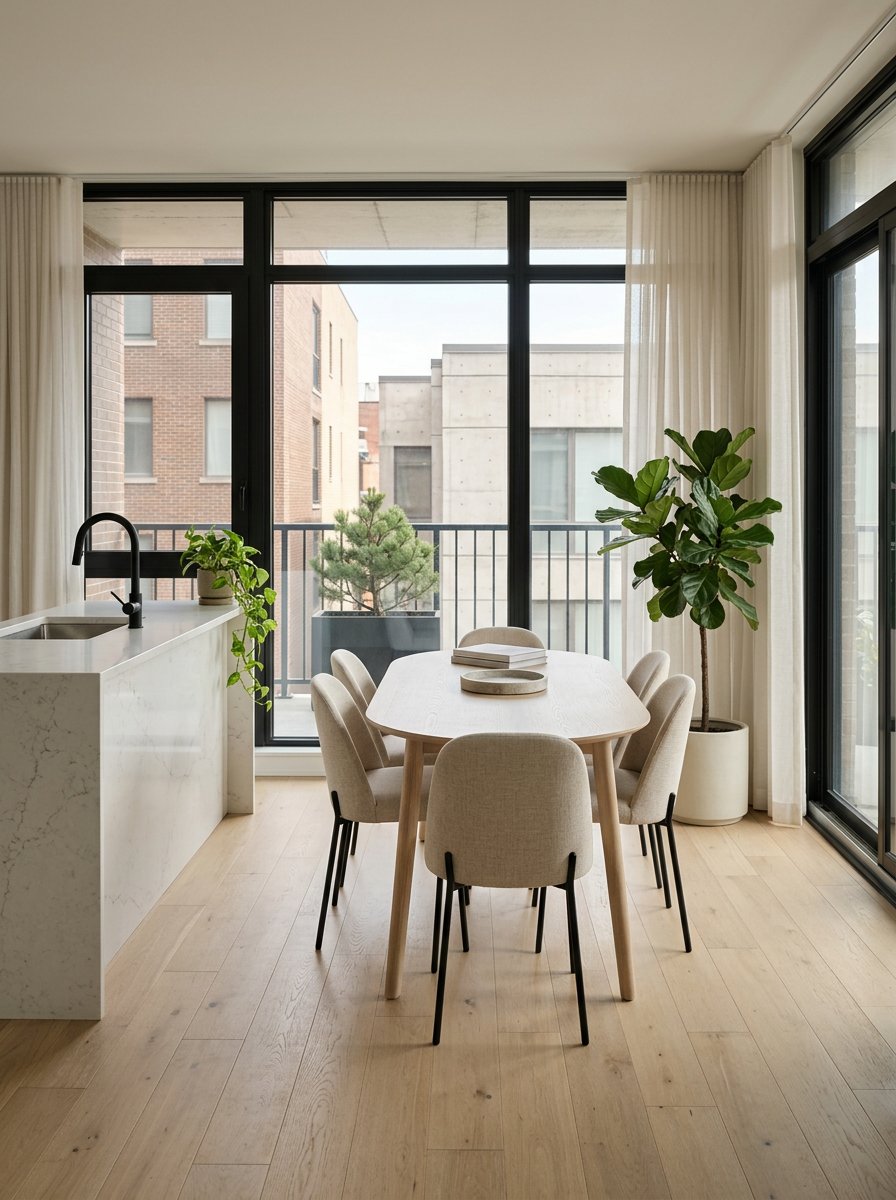
Buying a Condo in Downtown Spokane: What to Consider
March 5, 2026
March 5, 2026
Love the idea of stepping out for coffee on Riverside, walking to a concert, and trading yard work for more free time? A downtown Spokane condo might fit your lifestyle and budget. The key is knowing what you gain, what you give up, and how to read the fine print on financing, HOA health, parking, and resale. In this guide, you’ll learn the exact factors that matter in downtown Spokane so you can decide with confidence. Let’s dive in.
You live close to Riverfront Park, restaurants, arts venues, and seasonal events. The city’s official Downtown Plan maps where people live, work, and play, and shows how streets, parks, and transit connect. If you value car‑light living and easy access to amenities, this is a strong match.
Downtown condos range from compact historic lofts to larger, updated units with building amenities. Prices and HOA fees vary widely by building, size, and condition. There is no single public, downtown‑only median that stays current each day, so your best snapshot comes from a fresh MLS pull at the time you shop. Many buyers compare total monthly cost against renting nearby before they decide.
Your all‑in monthly number should include:
Compare that total to current downtown rents using public summaries like RentalSource’s Spokane page. If buying and renting are close, your lifestyle preferences and hold period become the tiebreakers.
Many condo loans require the lender to review the building’s budget, reserves, insurance, and other details. Some loans may qualify for limited waivers, but you should still plan for extra documentation. Share this with your lender upfront and ask what they will need. For technical criteria, see Fannie Mae’s project standards.
If you plan to use FHA or VA, confirm the building’s eligibility before you write an offer. Some projects are approved, others may allow single‑unit approvals that add time. Start this conversation early using HUD’s FHA resources.
In Washington, buyers review an association’s resale packet to understand finances, rules, special assessments, insurance, and recent meeting minutes. Associations have a set window to deliver this after it is ordered. Read it closely with your agent. Focus on:
Association insurance can be “bare‑walls” or more comprehensive. The master policy and its deductibles drive the amount and structure of your personal HO‑6 coverage. Rising insurance costs can push dues higher at renewal, so ask about recent changes. For a clear primer on HOA versus HO‑6 coverage, review this HOA insurance guide.
Some buildings include deeded or assigned stalls. Others rely on nearby garages or street permits. Spokane runs a Downtown Residential Parking District; residents can review rules, eligible blocks, and permit steps on the city’s DRPD permit page. Price parking into your monthly budget.
Between walking, biking, rideshare, and bus lines, many residents keep car use light. For transit maps, bike links, and downtown mobility resources, check the Downtown Spokane Partnership’s transportation page.
Downtown’s energy includes festivals and concerts that bring evening noise and occasional closures. Review event calendars and visit the block at different times to gauge your comfort. Freight traffic also crosses Spokane; if your windows face a rail corridor, listen for vibration and horn patterns. For context, see the state’s Rail Plan overview.
In historic conversions, pay close attention to roofs, windows, elevators, boilers, and plumbing. Have a condo‑savvy inspector evaluate common‑area systems that drive future assessments. Compare findings to the reserve study and recent board minutes.
Your future buyer pool depends on financing access, HOA health, insurance costs, and building condition. Limited FHA or VA access, thin reserves, or litigation can shrink demand and lengthen time on market. Keep an eye on local activity through credible reporting like the Spokane Journal’s market briefs and ask your agent for a current MLS pull when you are serious about a building.
Washington is phasing in broader condo and HOA rules under WUCIOA. Portions apply in 2026, with general coverage by January 1, 2028, subject to statutory details and exemptions. Expect more standardized meeting and disclosure practices, and confirm how your association is preparing. Review the bill report summary for context on timelines and scope: WUCIOA phase‑in.
Use this as your go‑or‑no‑go framework:
If you want walkability, lower exterior maintenance, and a front‑row seat to city life, a downtown Spokane condo can be a smart move. The best decisions come from clear math, early lender checks, and a careful read of HOA health, parking, and noise on the specific block you choose. If you want a tailored, building‑by‑building analysis and a fresh MLS snapshot, connect with Patricia O’Callaghan/SpokaneREAL to schedule a private market consultation.

We pride ourselves in providing personalized solutions that bring our clients closer to their dream properties and enhance their long-term wealth.